
The University of Vermont is entering the fall 2026 semester with expanded wireless infrastructure, new IT governance structures, artificial intelligence (AI) initiatives, and technology modernization projects, according to Chief Information Officer (CIO) Kellie Campbell.
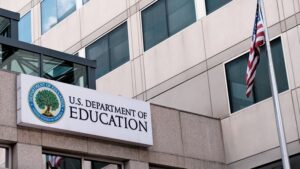
The Department of Education on Aug. 20 issued new guidance urging states and school districts to judge education technology by its instructional value and impact on student outcomes rather than screen time alone.

Calvin University launched a School of Engineering and Computer Science in an effort to expand education in artificial intelligence, cybersecurity, advanced computing, and emerging technologies.

Virginia Gov. Abigail Spanberger signed an executive order on Aug. 18 establishing a statewide framework to modernize the commonwealth’s emergency preparedness system.

Pennsylvania Gov. Josh Shapiro signed an executive order on Aug. 18 that imposes new permitting, transparency, energy, and environmental requirements on large data centers. The executive order also gives local governments a greater role in determining whether data center projects move forward.

California Gov. Gavin Newsom on Wednesday appointed Ayushi Roy as the state’s next chief technology officer (CTO).

Thirty academic institutions face an Aug. 31 deadline to review foreign collaborations and address research-security risks.

The competition challenges students to tackle technology and infrastructure needs for future Moon missions.

The FCC’s review is raising new questions about the federal government’s role in supporting internet connectivity for schools and libraries.

California Gov. Gavin Newsom announced on Aug. 10 a new artificial intelligence (AI) cyber defense initiative aimed at protecting state systems, local governments, and critical infrastructure from AI-enabled cyber threats.